
CJC-1295 without DAC
A synthetic, 29-amino acid analogue of growth hormone-releasing hormone (also known as Mod GRF 1-29). Utilized to investigate short-acting GHRH receptor binding and pulsatile somatotrope signaling.

Tesamorelin
A synthetic, N-terminally modified analogue of growth hormone-releasing hormone (GHRH). Utilized to investigate targeted visceral adipose reduction pathways and basal growth hormone pulsatility.
CJC-1295 + Ipamorelin
A synergistic co-formulation of a GHRH analogue and a selective GHSR-1a agonist. Utilized to investigate amplified, pulsatile growth hormone secretion via dual-receptor activation.

Melanotan 2
A synthetic, cyclic heptapeptide analogue of alpha-melanocyte-stimulating hormone (α-MSH). Utilized to investigate non-selective melanocortin receptor agonism, melanogenesis, and neuro-arousal pathways.
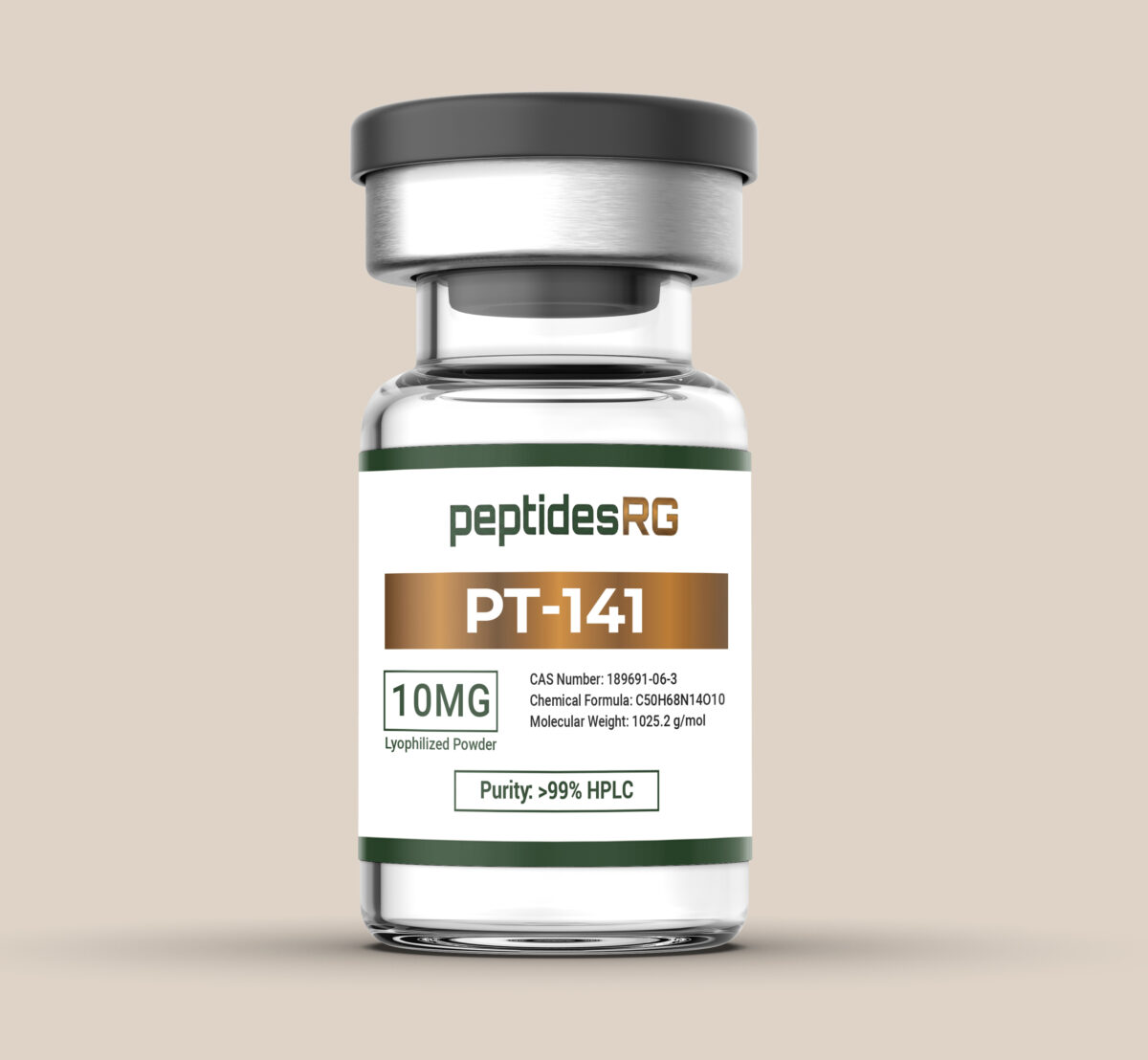
PT-141
A synthetic peptide (Bremelanotide) acting as a potent, non-selective agonist of the melanocortin receptors. Utilized to investigate central nervous system mechanisms of arousal via MC4R signaling.

Semax
A synthetic heptapeptide analogue derived from adrenocorticotropic hormone (ACTH 4-10). Utilized to investigate BDNF/NGF expression, neuroprotection, and cognitive pathway modulation.